
KUALA LUMPUR (12 June 2026) – As football fever sweeps across the globe with the ongoing 2026 FIFA World Cup season, athletes and recreational players alike are returning to the field with renewed enthusiasm. However, alongside the excitement comes an increased risk of injury, particularly for those who resume high-intensity activity without adequate preparation. While knee and ankle injuries are often the first concerns associated with football, sports medicine specialists warn that hamstring injuries remain one of the most common and potentially debilitating conditions affecting athletes of all levels.
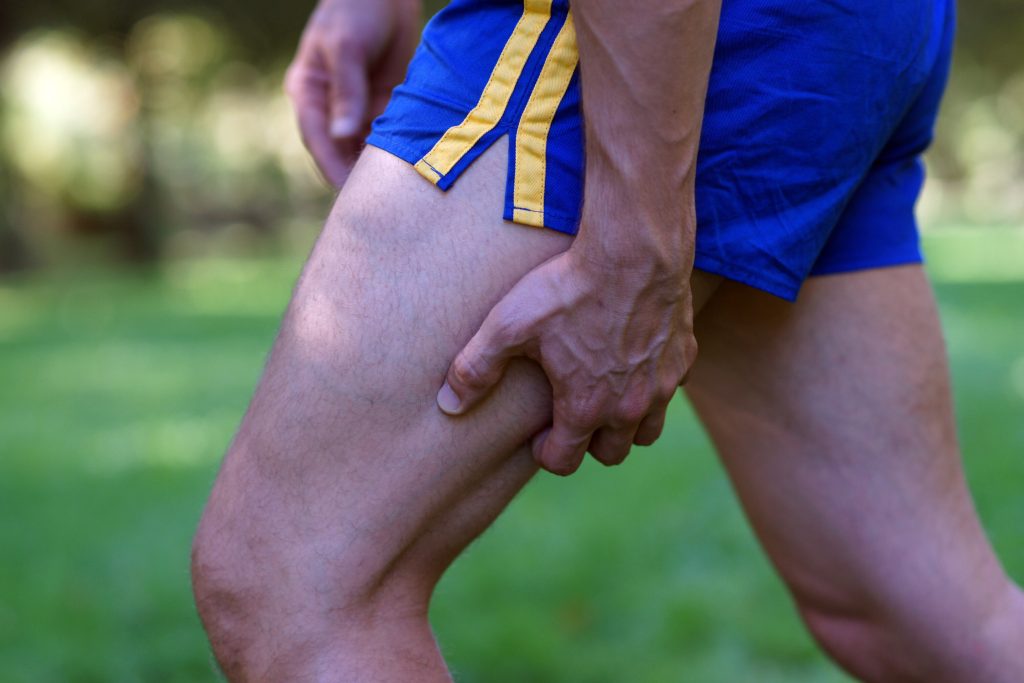
Located at the back of the thigh, the hamstring muscle group plays a crucial role in running, sprinting, kicking and sudden changes in direction. According to sports specialists at Sunway Medical Centre Velocity (SMCV), hamstring injuries account for nearly 35% of all muscle injuries among professional athletes and affect between 10% and 30% of sports participants. These injuries can range from mild muscle strains to severe tears and tendon avulsions that may require surgery and lengthy rehabilitation.
Consultant Orthopaedic, Trauma and Sports Surgeon Dr Aminudin Mohamed Shamsudin explains that the hamstrings function as the body’s natural accelerators and brakes during sporting activities. When exposed to excessive force, the muscle fibres may overstretch, resulting in strains, partial tears or complete ruptures. While mild injuries may heal within four to six weeks, moderate and severe injuries can require several months of recovery and, in some cases, surgical intervention to restore function and prevent long-term complications.
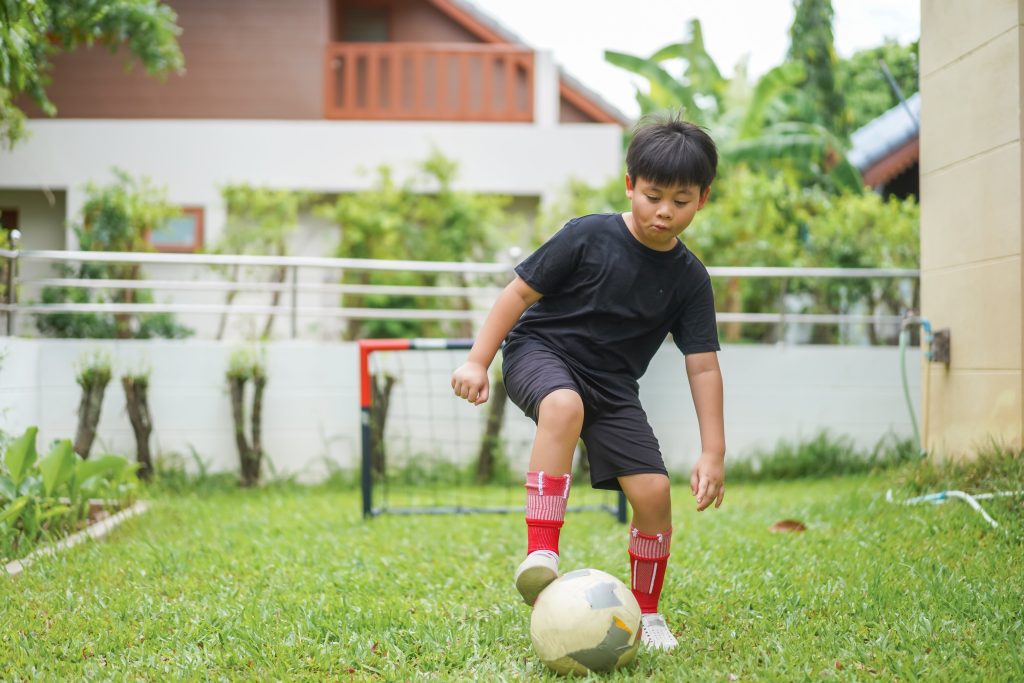
The issue is not limited to professional athletes. Children and adolescents involved in football, futsal and other field sports face their own unique risks. Consultant Orthopaedic, Trauma and Paediatric Orthopaedic Surgeon Dr Maria Shelynn Wong highlights that young athletes are particularly vulnerable because their bones are still developing. During adolescence, the growth plate at the pelvis where the hamstring attaches may be weaker than the surrounding tendons. As a result, sudden forceful movements can cause an apophyseal avulsion fracture, where a small piece of bone is pulled away from the pelvis rather than the muscle tearing itself.
Although such injuries are relatively rare, they can easily be overlooked as a minor strain. Symptoms such as persistent pain in the buttock or back of the thigh, difficulty walking, swelling, or a popping sensation should never be ignored. Early assessment through imaging techniques such as X-rays, CT scans or MRI scans can help determine the severity of the injury and guide appropriate treatment.
For severe hamstring injuries, surgery may be necessary to repair torn tendons or reattach structures that have separated from the bone. However, specialists stress that surgery is only one step in the recovery process. Comprehensive rehabilitation remains essential to rebuild muscle strength, flexibility and stability while reducing the likelihood of future injury.
Recovery also requires patience. Being free from pain does not necessarily mean the muscle has fully healed. Returning to football or other high-impact activities too early significantly increases the risk of reinjury. A structured rehabilitation programme that includes strength training, flexibility exercises, core conditioning and sport-specific drills is vital before an athlete is cleared to return to competition.
Medical experts emphasise that whether the patient is a professional footballer, a weekend sports enthusiast or a young athlete, hamstring injuries should never be underestimated. Prompt diagnosis, appropriate treatment and a carefully monitored recovery plan can make the difference between a successful return to sport and a prolonged period on the sidelines. As more Malaysians embrace active lifestyles and football continues to grow in popularity, awareness of hamstring injuries will be key to keeping athletes healthy, competitive and injury-free.
Sunway Medical Centre Velocity is located at Lingkaran SV, Sunway Velocity. For enquiries, please contact +603 9772 9191 or email smcv-enquiry@sunway.com.my. For more information or to learn more about Sunway Medical Centre Velocity, visit www.sunwaymedicalvelocity.com.my (Facebook: Sunway Medical Centre Velocity).