
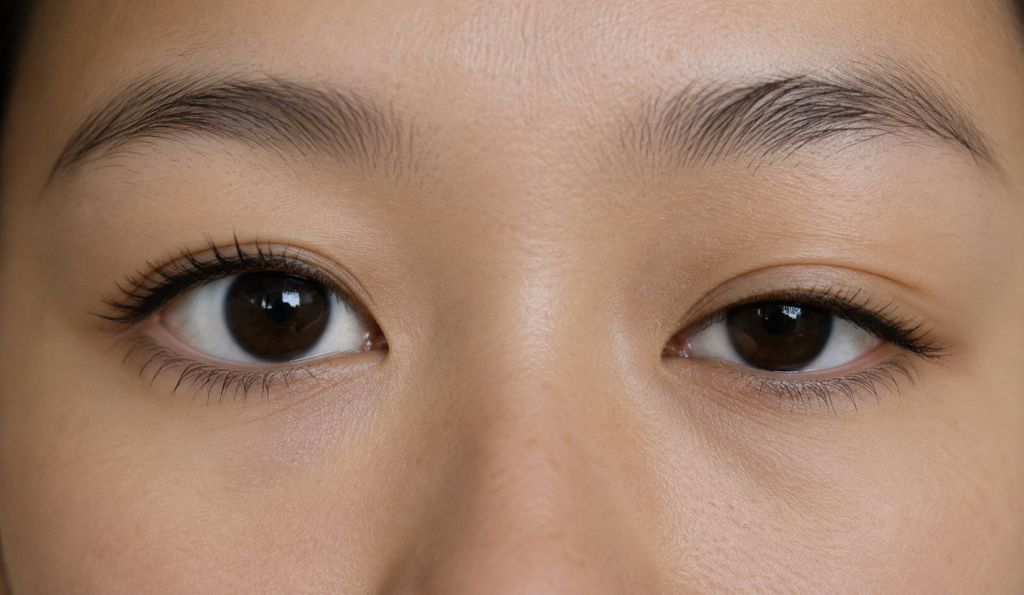
KUALA LUMPUR (10 July 2026) — Droopy eyelids, medically known as ptosis, are often mistaken for tired-looking eyes, naturally hooded eyelids or signs of ageing. However, the condition may be more than an aesthetic concern, as a lowered upper eyelid can sometimes obstruct vision, cause eye strain and affect daily activities. With cosmetic and beauty procedures becoming increasingly common, experts are reminding the public to seek proper medical assessment when changes to the eyelids begin to affect vision, comfort or everyday function.
According to Dr Nazila Ahmad Azli, Consultant Ophthalmologist and Oculoplastic Surgeon at Sunway Medical Centre Velocity (SMCV), ptosis is a relatively common eyelid condition encountered in clinical practice, accounting for approximately 8% to 12% of her eyelid cases. While some people may initially view droopy eyelids as an appearance-related issue, the condition can involve problems affecting the muscles that lift the eyelid, the nerves that control them or other underlying medical conditions.
In simple terms, ptosis occurs when the upper eyelid droops lower than its normal position. The eyelid’s movement depends on a coordinated system of muscles and nerves, including the levator palpebrae superioris muscle, which lifts the upper eyelid, and the orbicularis oculi muscle, which helps close it. When the muscles or the nerves responsible for controlling eyelid movement do not function properly, the upper eyelid may droop and, in some cases, interfere with a person’s field of vision.

Ptosis can affect one or both eyes and may either be present from birth or develop later in life. Congenital ptosis is generally associated with incomplete development of the eyelid-lifting muscle, while acquired ptosis may be linked to age-related changes, injury, previous eye surgery, prolonged contact lens use, frequent eye rubbing or certain medical conditions affecting nerve and muscle function.
The condition can also be confused with naturally hooded eyelids or excess skin around the eyes. While true ptosis involves a lowered upper eyelid margin, dermatochalasis typically refers to excess skin or fat folding over the eyelid area while the eyelid itself remains in its normal position. This can create the appearance of a drooping eyelid without actual ptosis, sometimes referred to as pseudoptosis. As these conditions can look similar, professional assessment is important to determine the actual cause.
Ptosis correction and cosmetic eyelid surgery, or blepharoplasty, are also not the same procedure. Blepharoplasty generally focuses on removing or repositioning excess skin, fat or tissue to improve the appearance of the eyelids, while ptosis surgery aims to restore the height and lifting function of the upper eyelid by addressing the affected muscle or supporting structures. In certain cases, both procedures may be performed together when medically appropriate to achieve a more balanced functional and aesthetic outcome.
Before deciding on any eyelid procedure, a thorough assessment is essential. Medical professionals may evaluate the patient’s medical history, eyelid position, levator muscle function, pupils, eye movements and visual fields to determine the severity and possible cause of the condition. Identifying the underlying cause is particularly important because treating the appearance alone without addressing the source of ptosis may result in recurrence or an unsuccessful outcome.
The timing of the onset is another important factor. While gradual drooping may be associated with ageing, prolonged contact lens use, previous surgery or other contributing factors, sudden-onset ptosis should not be ignored. According to Dr Nazila, sudden drooping of the eyelid can sometimes indicate a serious medical condition, including a brain aneurysm, stroke or carotid artery dissection, and therefore requires urgent medical attention.
Treatment options depend on the cause and severity of the condition. Mild cases may only require regular monitoring, while more significant cases that affect vision or daily activities may require corrective surgery. The goal of ptosis treatment is not only to improve the appearance of the eyes but also to restore eyelid function and visual performance, with treatment plans tailored according to each patient’s individual condition.

Maintaining good eye care habits may also help support overall eyelid and eye health. Avoiding frequent eye rubbing, practising proper contact lens hygiene, taking regular breaks from prolonged screen use, addressing dry eyes early and using preservative-free eye drops when appropriate can all contribute to healthier eyes. While dry eyes and extended screen time do not directly cause ptosis, they may indirectly contribute to repeated eye rubbing, which can place unnecessary strain on the eyelids.
Ultimately, droopy eyelids should not automatically be dismissed as a sign of tiredness, ageing or a cosmetic concern. When ptosis affects vision, causes discomfort or develops suddenly, seeking professional medical advice is important. Early assessment can help identify the underlying cause, determine the most appropriate treatment and, where necessary, rule out potentially serious medical conditions.
Sunway Medical Centre Velocity is located at Lingkaran SV, Sunway Velocity. For enquiries,
please contact +603 9772 9191 or email smcv-enquiry@sunway.com.my. For more information or to learn more about Sunway Medical Centre Velocity, visit www.sunwaymedicalvelocity.com.my (Facebook: Sunway Medical Centre Velocity)