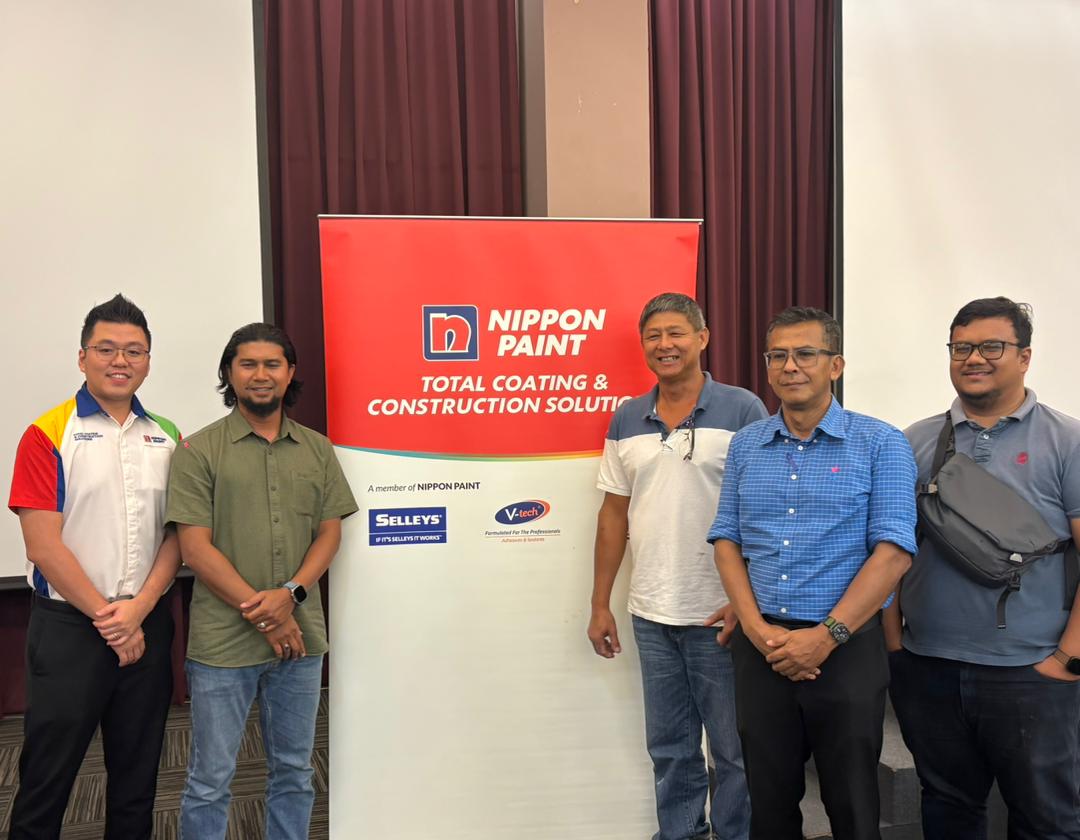
Nippon Paint Malaysia, in collaboration with the Construction Industry Development Board (CIDB), recently organised an industry workshop that brought together contractors and key industry players to address a growing concern within Malaysia’s built environment — whether current flooring standards and workmanship are adequately prepared to support the demands of next-generation industries.
As Malaysia strengthens its position as a regional hub for data centres, advanced manufacturing, and other high-value industries, industrial flooring is emerging as an increasingly critical aspect of infrastructure development. Traditionally viewed as a secondary finishing component, flooring systems are now recognised as essential in ensuring operational reliability, workplace safety, and long-term cost efficiency.
In specialised environments such as data centres, food processing facilities, and precision manufacturing plants, flooring systems are required to withstand far more than regular foot traffic. These environments demand solutions capable of managing electrostatic discharge (ESD), chemical exposure, heavy load-bearing requirements, and strict hygiene standards. However, discussions during the workshop revealed a widening gap between the evolving technical requirements of modern industries and current on-ground practices within the construction ecosystem.
General Manager of Nippon Paint Malaysia, Tay Sze Tuck, said Malaysia is experiencing rapid growth across industries with increasingly specialised infrastructure requirements. However, he noted that flooring is still frequently underestimated during both the planning and execution stages of projects. According to him, when flooring systems are not designed with the intended purpose in mind, it can result in costly operational disruptions, safety concerns, and premature system failures.
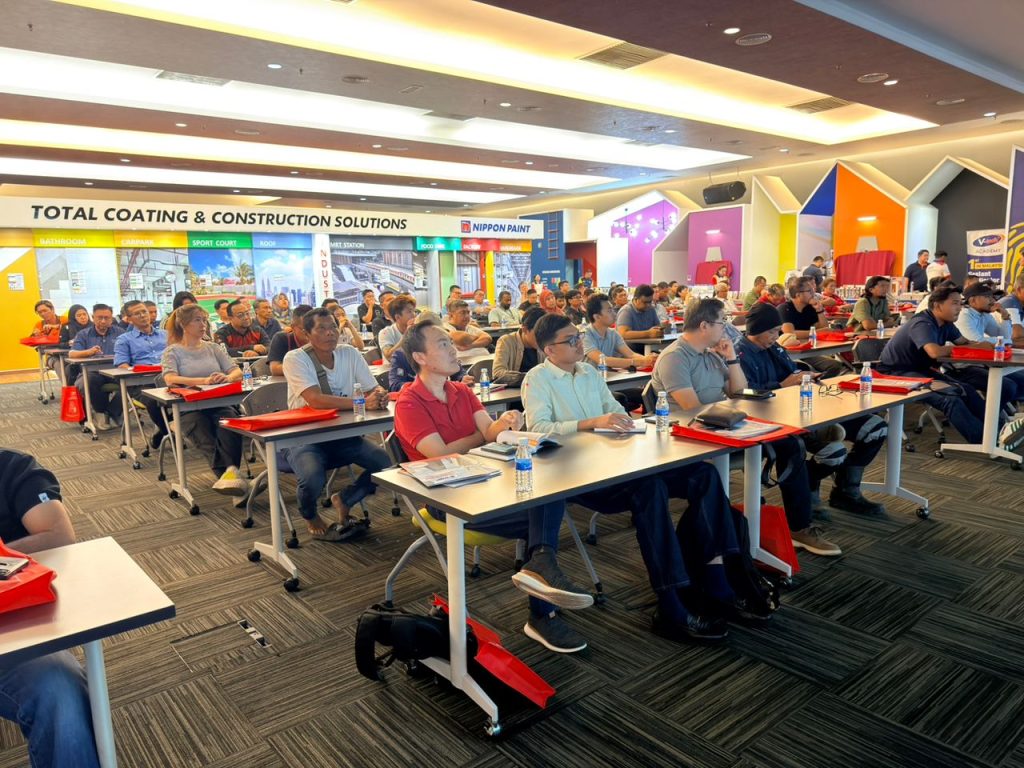
Contractors attending the workshop also shared their experiences regarding the challenges faced in today’s projects, while highlighting the importance of practical, hands-on learning in bridging existing knowledge gaps.
One participant noted that access to materials and equipment is no longer the primary challenge in the industry. Instead, the bigger issue lies in workmanship and the lack of a unified platform for contractors to develop consistent technical knowledge in industrial flooring. The participant added that without the appropriate skills and application methods, even high-quality systems can fail, making workshops like this important in equipping contractors with the knowledge and confidence needed to deliver better outcomes.
Another participant highlighted that flooring requirements often evolve over time, especially when facilities expand or operational needs change. In some cases, the flooring system initially specified may no longer suit the actual use of the space. The participant explained that this often happens when the correct flooring solution is not applied to the appropriate area from the outset, eventually leading to long-term issues. Better communication among all parties involved was identified as essential, while workshops such as this encourage contractors and clients to anticipate future operational requirements earlier in the planning process.
Electrostatic discharge, for example, presents a major risk in data centre environments where even minor disruptions can affect sensitive equipment and operational uptime. Similarly, in food-grade facilities, unsuitable flooring systems can increase contamination risks and lead to regulatory non-compliance, potentially causing both financial and reputational damage.
As these industries continue to expand, the demand for stronger technical expertise and fit-for-purpose flooring solutions across the contractor ecosystem is becoming increasingly urgent.
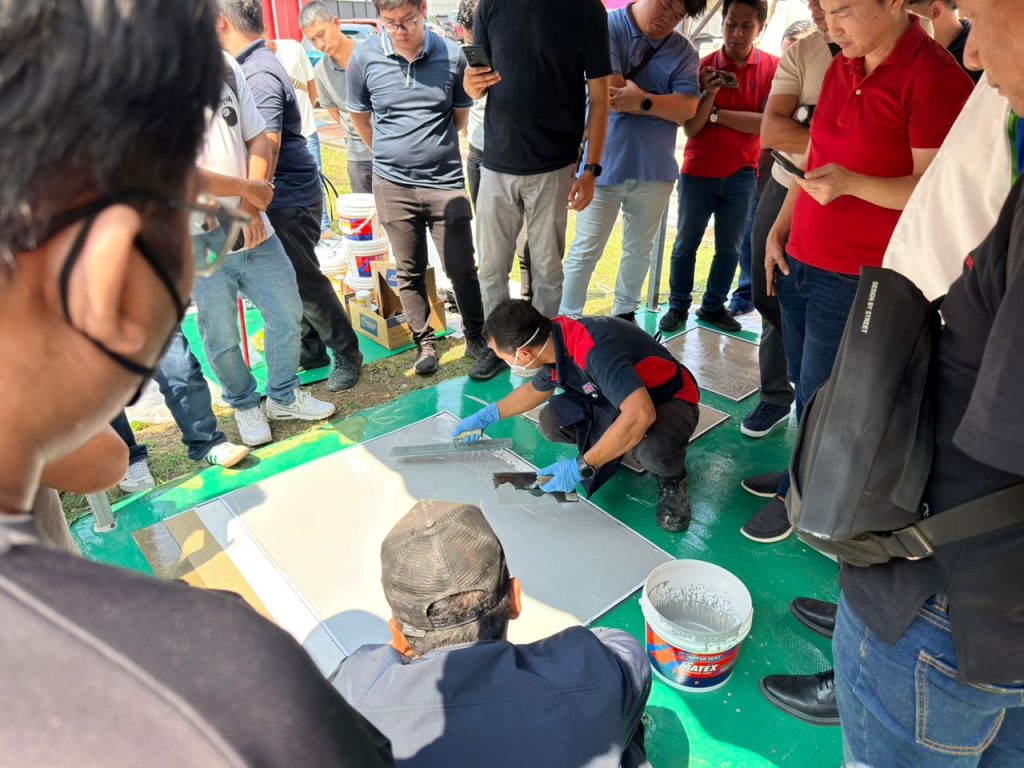
Held at Nippon Paint’s R&D Centre in Shah Alam, the workshop aimed to provide contractors with practical insights into common flooring challenges, system selection, and application techniques tailored for modern industrial environments. Participants were also given hands-on exposure through live demonstrations of specialised industrial-grade flooring systems designed to meet the demands of high-performance facilities.
Tay said the initiative is ultimately about preparing the industry for the future. He stressed that if Malaysia intends to remain competitive in attracting high-value investments, every component of its infrastructure — including flooring systems — must be built to meet global standards.
The collaboration between Nippon Paint Malaysia and CIDB reflects a broader industry effort to improve construction quality, reduce long-term maintenance costs, and ensure foundational infrastructure systems are aligned with the evolving demands of future-focused industries.
As Malaysia continues to expand its industrial and digital economy, addressing these challenges early will play a crucial role in developing infrastructure that is not only functional, but also future-ready.
For more information about Nippon Paint and its Total Coating & Construction Solutions (TCCS), visit www.professional.nipponpaint.com.my.