While cinematic portrayals of fainting are often used for dramatic effect, medical experts at Sunway Medical Centre Velocity (SMCV) are urging the public to take real-life collapses seriously. While many episodes are linked to minor issues like dehydration, some may serve as the body’s primary warning sign of a life-threatening cardiac condition.
Syncope, commonly known as fainting, accounts for roughly 1% to 3% of emergency department visits. However, Dr. Cyrus Lai Sin Nan, Consultant Emergency Physician at SMCV, notes that cardiac-related syncopes are significantly more dangerous due to their association with serious arrhythmia and sudden death.

Understanding Cardiac Syncope Cardiac syncope occurs when a sudden drop in blood flow from the heart to the brain causes a loss of consciousness. Dr. Lim Chiao Wen, Consultant Cardiologist, Electrophysiologist, and Internal Medicine Physician at SMCV, explains that this condition is particularly perilous because it often strikes without warning.
“Causes can range from irregular heart rhythms and structural problems—such as heart valve narrowing or muscle thickening—to serious circulation events like blood clots in the lungs,” says Dr. Lim. She further highlights that even emotional stress can trigger adrenaline surges that disrupt heart rhythm, meaning even seemingly healthy individuals are not immune.
The Crucial Role of Emergency Assessment A quick recovery after fainting does not guarantee the episode was harmless. The Accident and Emergency (A&E) department plays a vital role in identifying whether a brief blackout hides a dangerous underlying pathology.

“In the A&E, we are particularly alert if a patient faints during exertion, experiences palpitations, or has a family history of sudden death,” explains Dr. Cyrus. While more common in older adults with multiple medical conditions, younger patients may also be at risk due to inherited structural or arrhythmic disorders.
Comprehensive Management and Treatment Managing cardiac syncope involves rigorous risk stratification. The emergency workup typically includes vital sign monitoring, blood sugar checks, and a 12-lead ECG. Based on the clinical picture, further specialized testing such as echocardiography, Holter monitoring (continuous rhythm recording), or stress testing may be required.
Treatment is tailored to the specific cause and may include:
- Medication to regulate heart rhythm or blood pressure.
- Implantable devices such as pacemakers or defibrillators.
- Coronary angioplasty and stenting if a heart attack is identified.
When to Seek Urgent Help SMCV experts emphasize that fainting should never be dismissed if it occurs suddenly, repeatedly, or alongside symptoms such as:
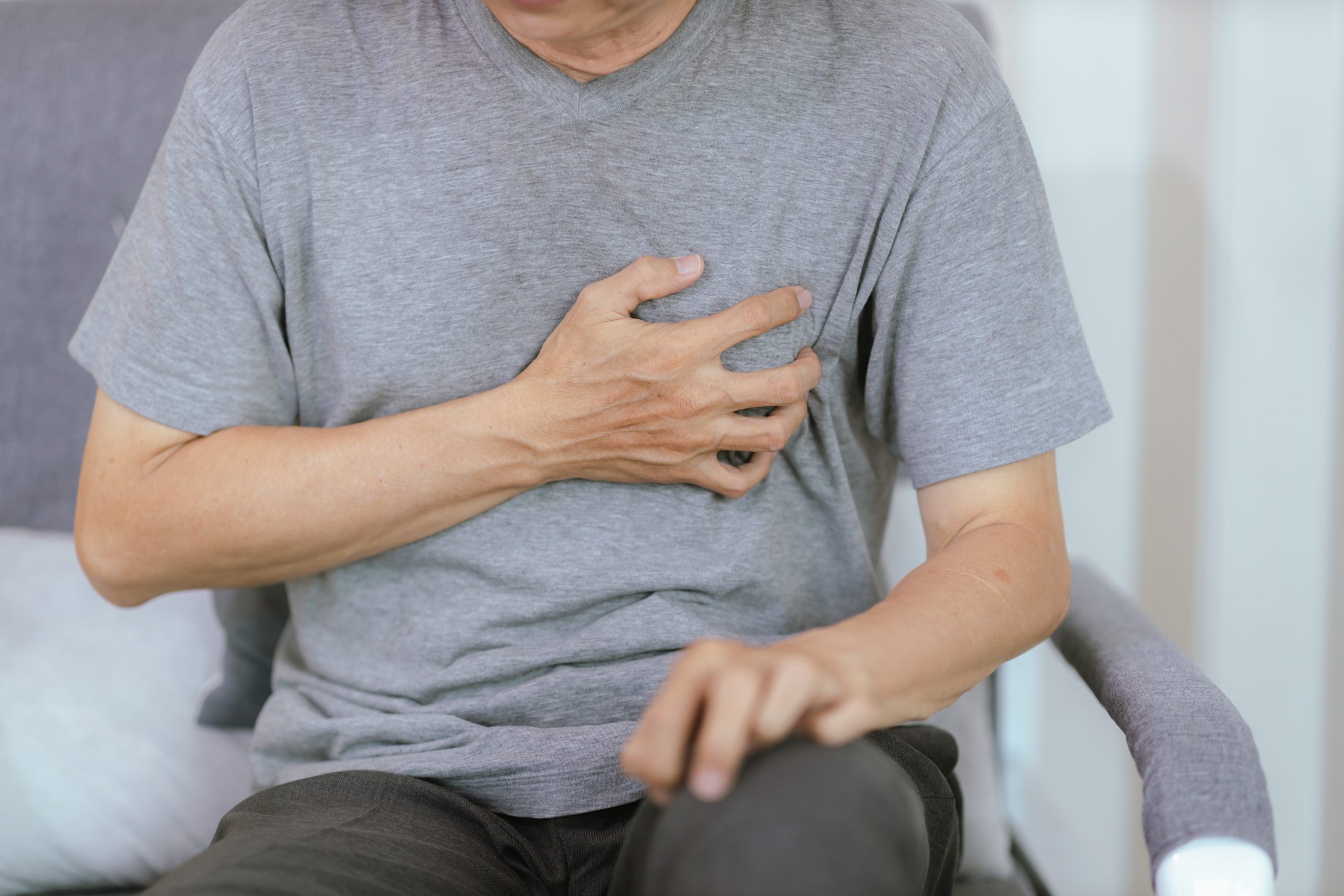
- Chest pain or breathlessness.
- Palpitations (feeling of a racing heart).
- Fainting during exercise or while lying down.
- Family history of sudden cardiac death.
“What seems like a brief fainting episode may actually be the body’s only warning before a serious cardiac event,” Dr. Cyrus concludes. Timely intervention and regular health screenings are critical to preventing potentially fatal outcomes.