TrendAI™, a global leader in AI security, has released new research showing that organizations worldwide are continuing to accelerate AI adoption despite well-known security and compliance risks.
In Malaysia, the study found that 75% of IT decision makers and 70% of business leaders have felt pressure to approve AI initiatives even when security concerns exist. One in seven respondents described these concerns as “extreme,” yet they were still overridden in order to keep up with competitors and internal demand.
AI adoption is currently progressing faster than governance and control mechanisms. Only 29% of Malaysian business decision makers reported feeling very or extremely confident in their understanding of legal frameworks governing AI, compared to 63% of IT decision makers. About half (52%) of IT leaders say they already have comprehensive AI policies in place, while 39% are still in the process of developing them. Nearly half (51%) identified limited security or data expertise as the main barrier to safe AI adoption, followed closely by a lack of clear regulations and compliance standards (49%).
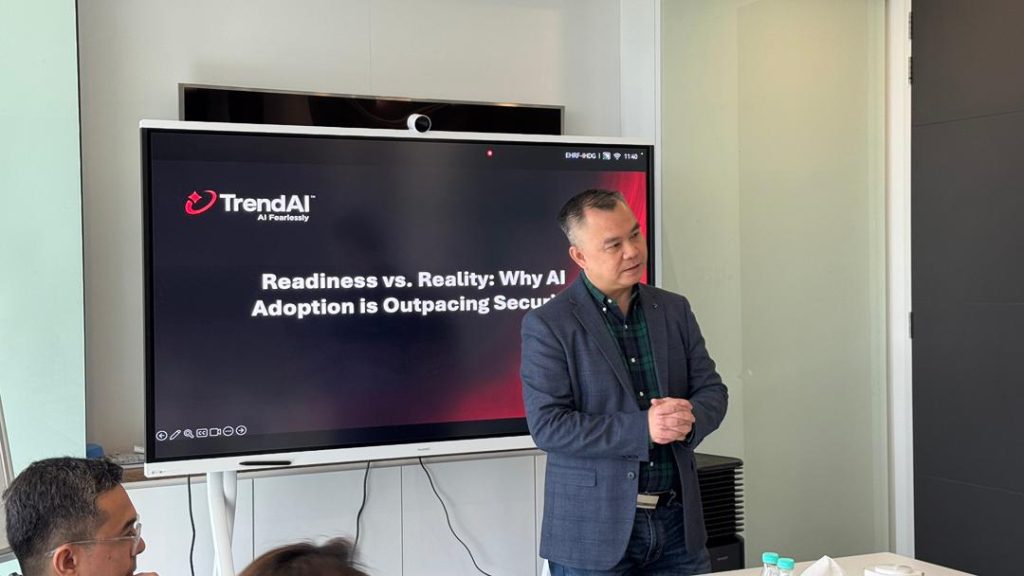
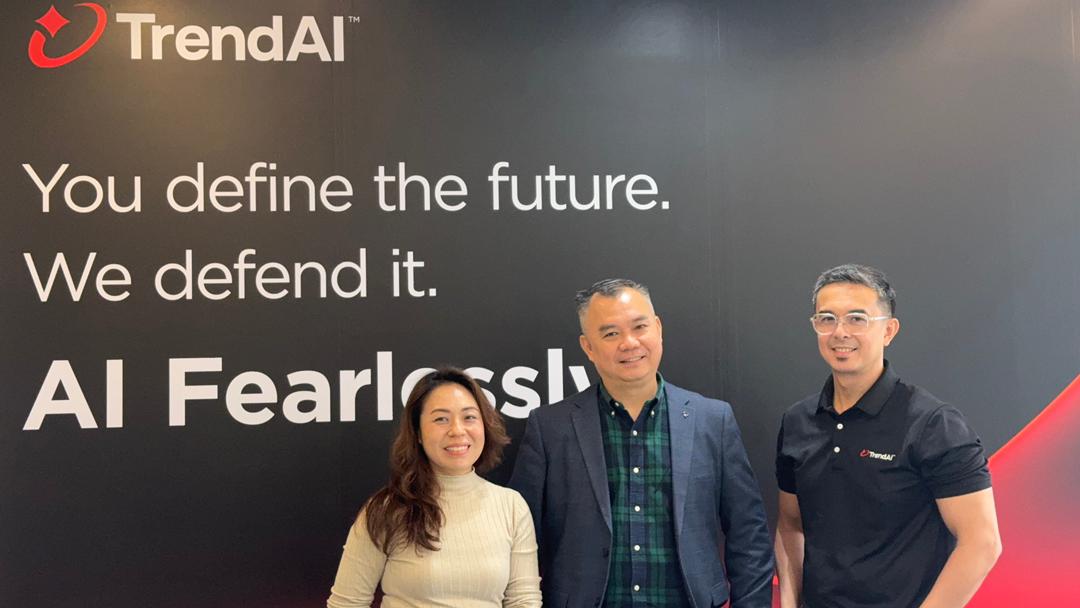
According to Goh Chee Hoh, Managing Director for Malaysia at TrendAI™, Malaysian organizations are deploying AI faster than they can manage the associated risks, creating a widening gap between ambition and oversight. He noted that this gap is further highlighted by differences in governance maturity among business leaders. To address this, leadership must move beyond reactive security approaches, starting with full visibility into where AI interacts with data and establishing a centralized framework that embeds accountability and risk management into system architecture. He added that initiatives such as the MY-AI Standards are a positive step in addressing risks like deepfakes and algorithmic bias. However, as Malaysia moves toward its goal of becoming an AI Nation by 2030, organizations must prioritize stronger governance and defensive resilience to ensure AI adoption leads to a sustainable digital future.
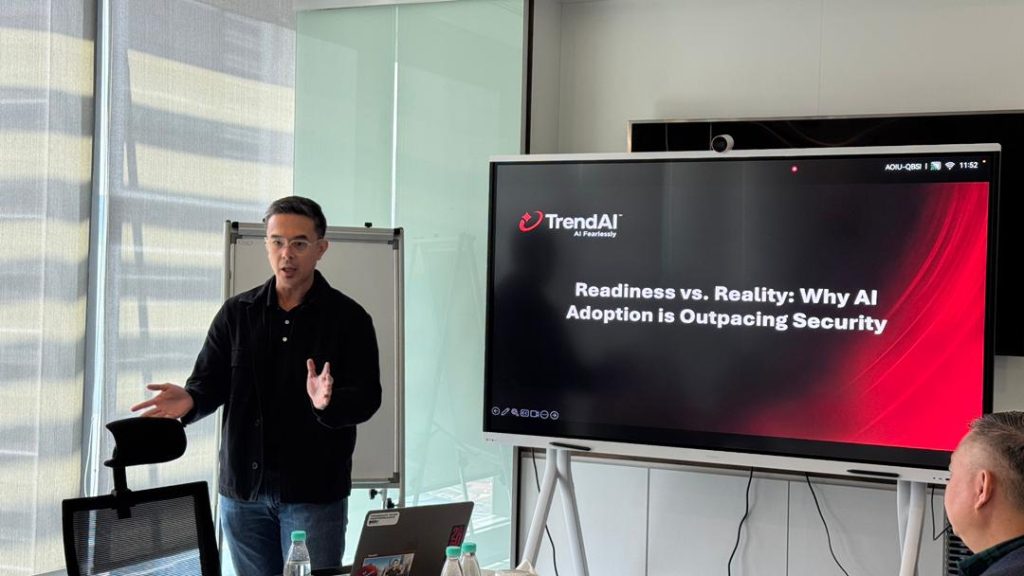
Rachel Jin, Chief Platform & Business Officer and Head of TrendAI, stated that organizations are not lacking awareness of risk but are instead lacking the conditions needed to manage it effectively. She explained that when AI deployment is driven primarily by competitive pressure rather than governance maturity, systems are often integrated without sufficient safeguards. This creates risk within critical infrastructure. She emphasized that TrendAI’s focus is on helping organizations achieve strong business outcomes while maintaining effective risk control.
The research also highlights that pressure-driven AI deployment is worsened by inconsistent governance and unclear accountability for AI-related risks. In many cases, security teams are forced to react to top-down AI decisions, which can lead to workarounds and increased use of unsanctioned or “shadow” AI tools. TrendAI’s latest threat research further shows that attackers are already leveraging AI to automate reconnaissance, scale phishing campaigns, and lower barriers to cybercrime, increasing both the speed and scale of attacks.
Trust in autonomous AI systems remains in a developing stage among business leaders. Fewer than half (44%) of Malaysian decision makers believe agentic AI will significantly improve cyber defense in the short term, citing concerns around data access, misuse, and lack of oversight.
More than half of organizations (57%) identify AI agents accessing sensitive data as their biggest risk. Around 45% are concerned that malicious prompts could compromise security, while 37% worry about misuse of trusted AI systems and risks associated with autonomous code deployment. At the same time, 36% admit they lack sufficient observability or auditability over these systems, raising concerns about how organizations can effectively monitor or control them once deployed.
Nearly half (48%) of organizations support the introduction of an AI “kill switch” mechanism to shut down systems in the event of failure or misuse, while more than half remain undecided. This reflects a broader lack of consensus on how to maintain control over increasingly autonomous AI systems.
“Agentic AI is moving organizations into a new risk category,” said Rachel Jin. “The concerns are already clear, from sensitive data exposure to loss of oversight. Without visibility and control, organizations risk deploying systems they cannot fully understand or govern, and that risk will continue to grow unless action is taken.”
Read the full global report: Securing the AI-Powered Enterprise – Governance Gaps, Visibility Challenges and Rising Risk.
*TrendAI commissioned SAPIO Research to survey 3,700 IT and business decision makers across 23 countries worldwide.
About TrendAI™
TrendAI™, the global AI security leader and enterprise business unit of Trend Micro, helps organizations achieve full AI visibility and unified security to drive innovation while reducing risk. Trusted by major enterprises and governments across 185 countries, TrendAI™ secures organizations from identities to infrastructure and data.
Global Fortune 500 companies rely on TrendAI™ to reduce risk and detect threats up to three months earlier, supported by advanced threat and attack intelligence.
Through ecosystem partnerships with companies such as NVIDIA, Anthropic, AWS, Google, and Microsoft, TrendAI™ enables organizations to adopt AI securely and at scale.
AI Fearlessly.