
Greater effort is needed to promote public transport around Bukit Damansara, Kuala Lumpur, according to stakeholders responding to residents’ objections to the proposed redevelopment of Wisma Damansara.
Malaysian Land Public Transport Fans chairman Zac Cheong said the concern was not the redevelopment itself, but the placement of increased population density.
He said Wisma Damansara’s location near the Semantan MRT station could encourage more individuals to use public transport because of its close distance.
He added that improving bus frequency and strengthening first- and last-mile connections would help ensure the Semantan MRT station remained an active transit point.
Urban design consultant Ernest Wong said residents should push for greater public transport usage if they wanted to ease traffic congestion.
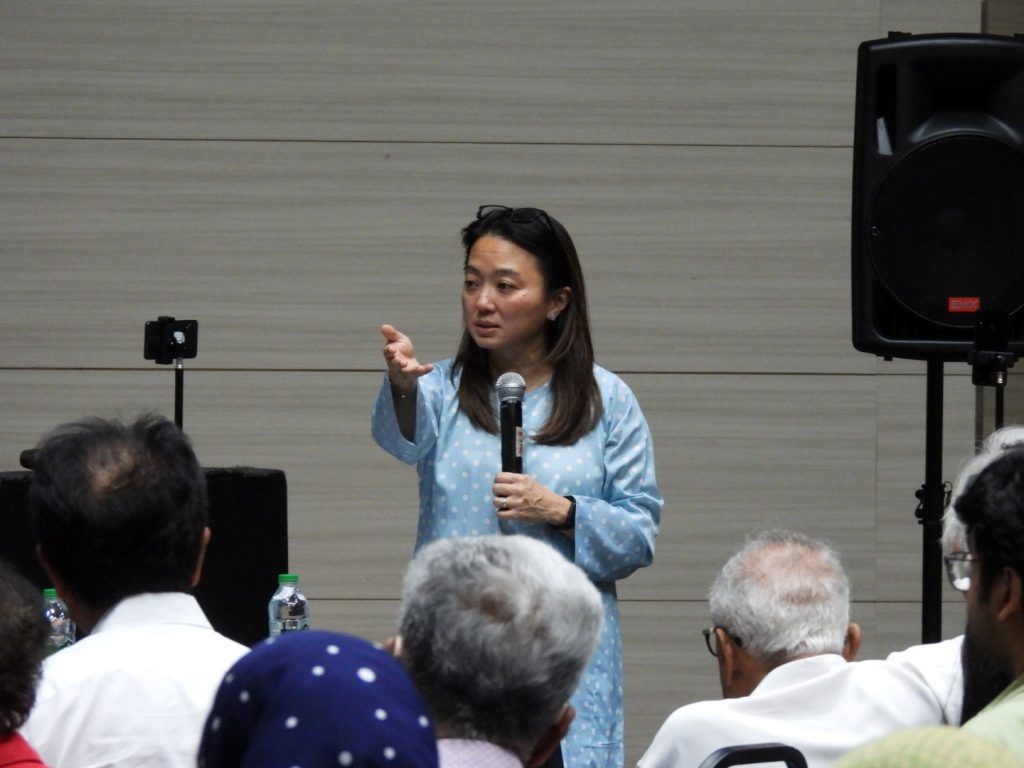
He noted that the Semantan MRT station is roughly 400m from Wisma Damansara, though walkability in the area still needed upgrades.
Wong, who frequently uses public transport, said Kuala Lumpur City Hall (DBKL) could require the developer to enhance connectivity as part of the project conditions.
A Google Maps check showed that walking safely from Wisma Damansara to the Semantan MRT station requires taking a route of around 1.1km.
Jalan Semantan is the main road linking both locations.
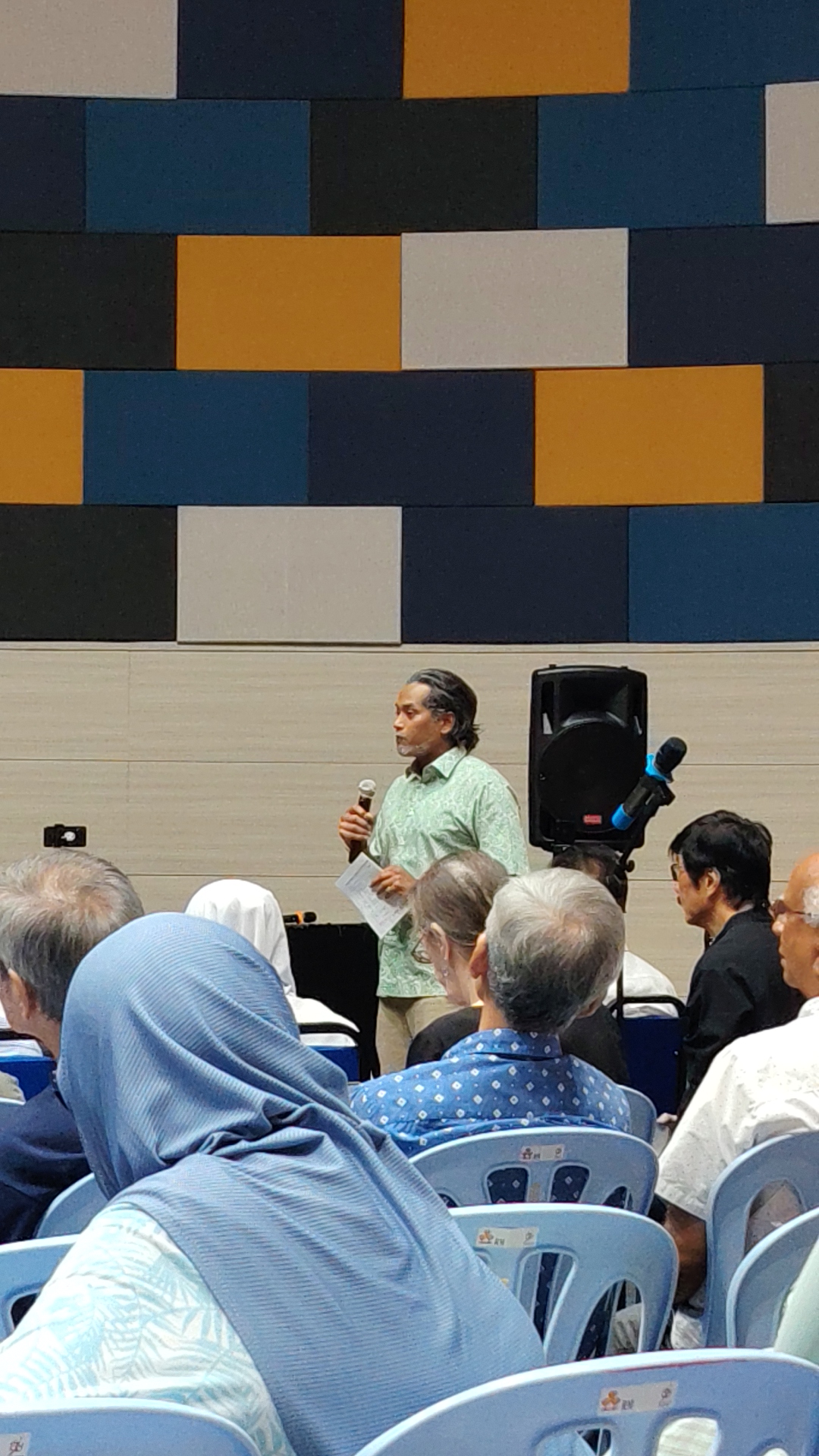
Former health minister Khairy Jamaluddin, also a Bukit Damansara resident, said the current public transport system in the area was insufficient.
He said it would have limited impact in mitigating potential traffic issues after the redevelopment. He made the remarks during an engagement session between DBKL and Bukit Damansara residents concerning proposed developments at the Bukit Damansara Community Centre on Nov 14.
Persatuan Pemilik Rumah Bukit Damansara deputy president Ravi Markandu said the existing bus network in the area had been affected by previous developments.
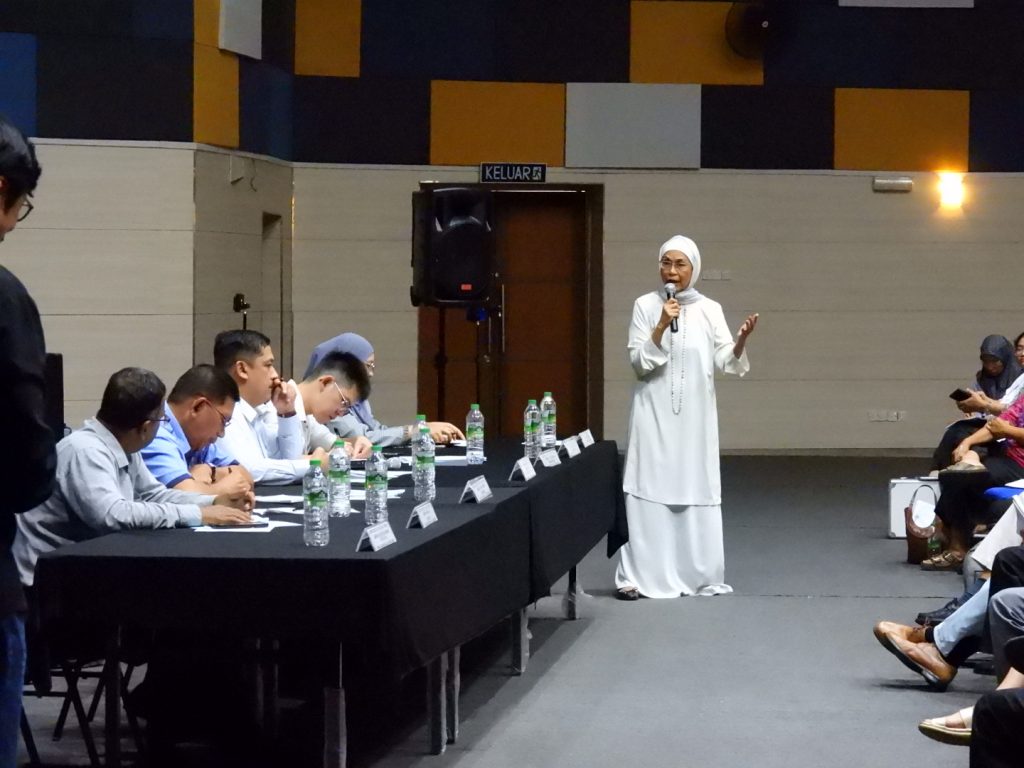
He explained that Pusat Bandar Damansara once functioned as the main bus depot until newer projects disrupted the system.
This led to buses being rerouted to Jalan Dungun, creating heavy congestion during peak hours.
In a media statement, BRDB Developments Sdn Bhd, the developer of the proposed project, said it was still awaiting final approval from DBKL.
The company stated that it remained committed to redevelopment initiatives that are sustainable and community-focused.
BRDB said the proposed design aims to support a walkable city, improve public transport connectivity, and include green public spaces for both residents and visitors.
It added that the goal is to balance heritage elements with modern urban planning by creating shared spaces that enhance transit areas.
The redevelopment aims to reduce car dependency while offering a safer and smoother pedestrian experience that benefits the surrounding community as well as those who work, study, or visit around Jalan Semantan and Jalan Dungun.
Previously reported that the plan involves transforming Wisma Damansara into a residential and commercial retail centre with multi-storey towers.
The 16-storey Wisma Damansara, built in 1970 by Selangor Properties, was the first commercial office building in Bukit Damansara but has been vacant for several years.
Another resident representative, Dr Barkeh Hanim Jumaat, raised a separate concern involving the development of a liquor-selling premises allegedly located close to residential homes.
She said residents only learned about the matter after noticing a notice of application to sell alcoholic beverages, issued by the Federal Territories Kuala Lumpur Excise Licensing Board, posted on the wall of the house by the owner last Sunday.
According to her, residents strongly objected to the owner’s intention because they feared that alcohol sales in a residential zone could disrupt the harmony of the neighbourhood.
She added that the property is currently undergoing major renovations, which has heightened residents’ worries.
“We object completely because we do not want our housing area to turn into something similar to what has happened in Bangsar.
“Is a pub going to appear in our residential neighbourhood? That is the thought that troubles us,” she said.