
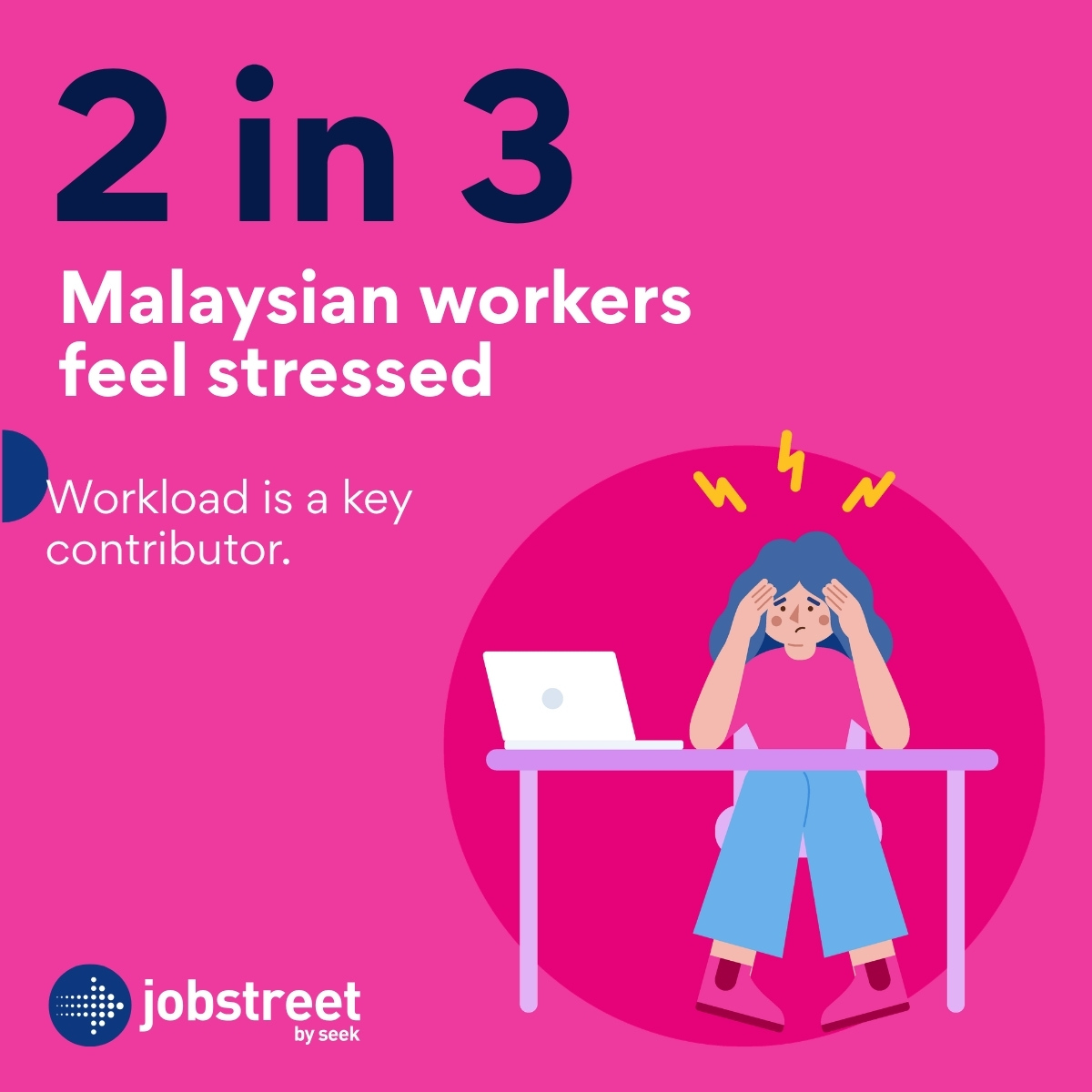
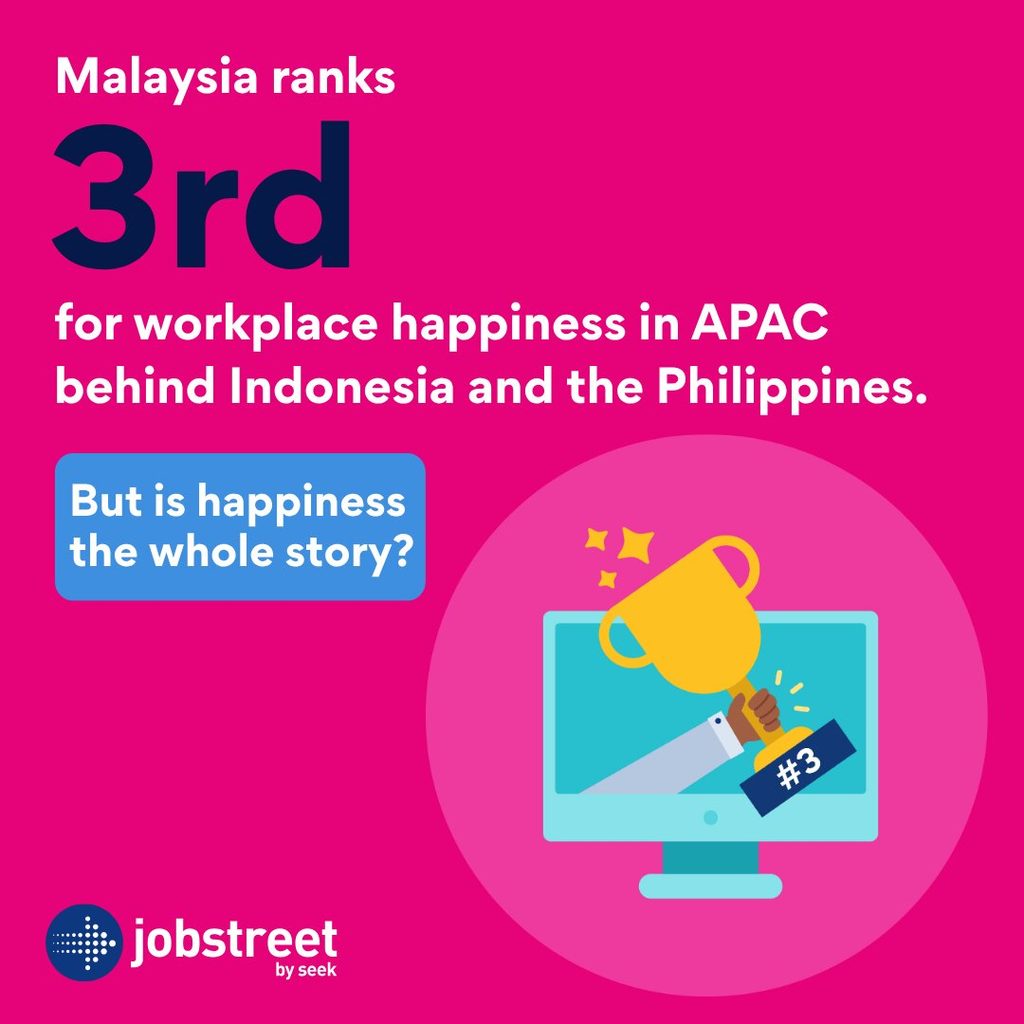
World Mental Health Day serves as an essential prompt to re-evaluate how professional demands influence everyday wellbeing. While Jobstreet by SEEK’s Workplace Happiness Index 2026 reveals that 70% of Malaysian employees consider themselves happy at work, 41% simultaneously battle persistent exhaustion and burnout, with only 36% satisfied with their current stress levels. This reality demonstrates that enjoying one’s profession does not eliminate structural fatigue, making it crucial to assess the true roots of exhaustion before pursuing drastic career shifts.
The path to sustainable work requires targeted self-reflection across five key areas. First, determine whether the dissatisfaction stems from the core job role or an unsustainable inability to disconnect after working hours, as a job change cannot resolve boundary issues. Second, pinpoint precise sources of workplace stress, such as unrealistic deadlines or chronic overload, noting that only 42% of Malaysian professionals report satisfaction with their current workload. Third, examine drivers of motivation beyond compensation; while 57% desire higher salaries, genuine purpose and daily responsibilities have the strongest statistical connection to lasting happiness.
Furthermore, consider whether your workplace fosters psychological safety and professional growth. This is particularly vital for Gen Z talent, who report the highest burnout rate at 45% alongside lower feelings of authenticity compared to older generations. Finally, remember that 87% of employees view workplace happiness as a shared responsibility between staff and leadership. Initiating constructive discussions regarding workload redistribution, flexible schedules, or targeted resources allows workers to determine whether an existing position can be realistically improved, ensuring future career moves reflect intentional growth rather than sheer exhaustion.