The Taiwan Tourism Administration has officially launched a highly targeted promotional campaign in Malaysia, shifting away from generic destination marketing to focus explicitly on premium itineraries and Muslim-friendly travel ecosystems.
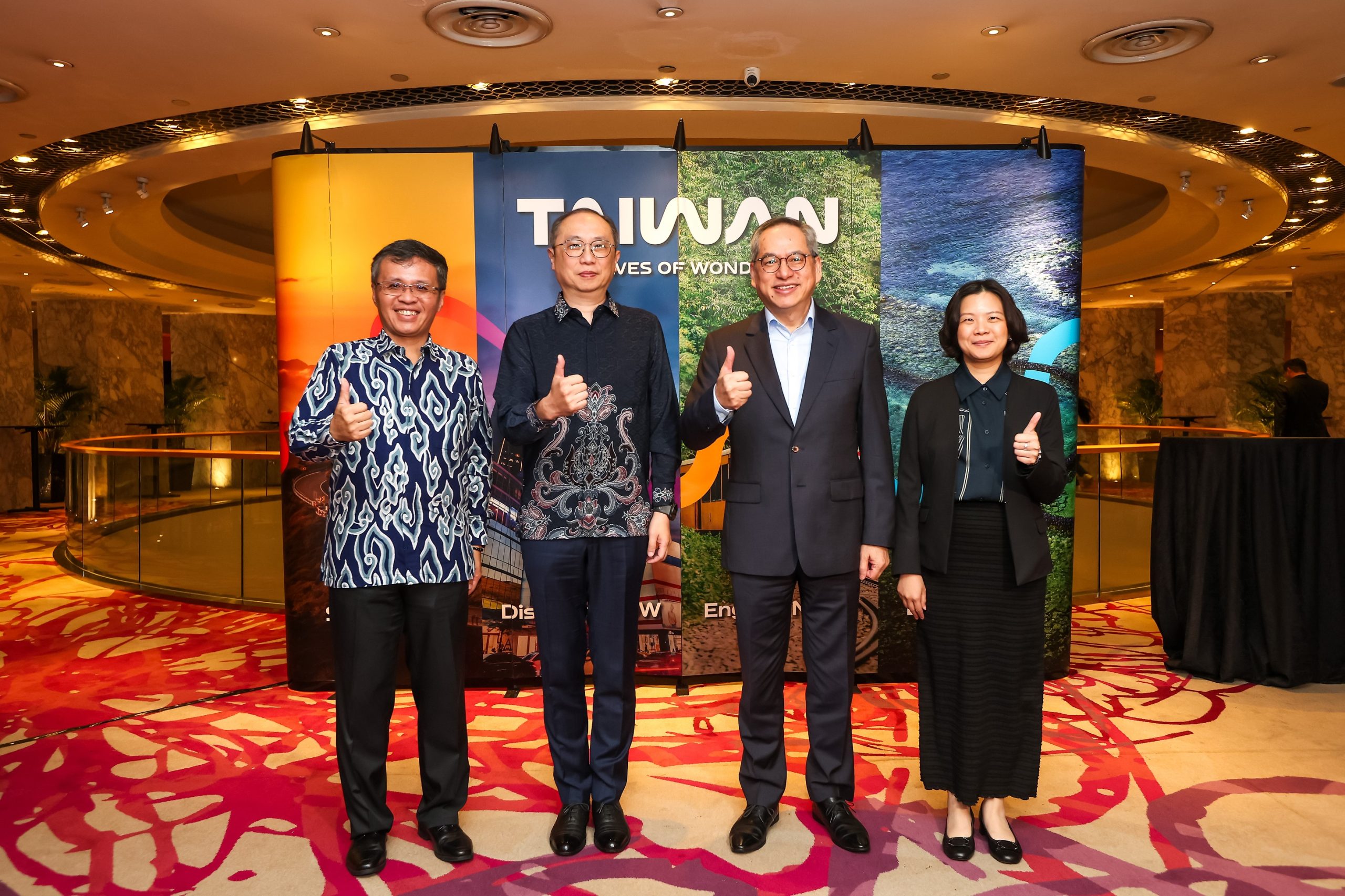
As part of this structured push, a travel delegation consisting of 29 organizations and 64 representatives, spanning local governments, airlines, hoteliers, and theme park operators, hosted twin B2B Taiwan Tourism Workshop Updates at The Westin Kuala Lumpur. The business sessions were split into independent tracks to directly address the distinct needs of the Muslim travel market and the Chinese travel trade.
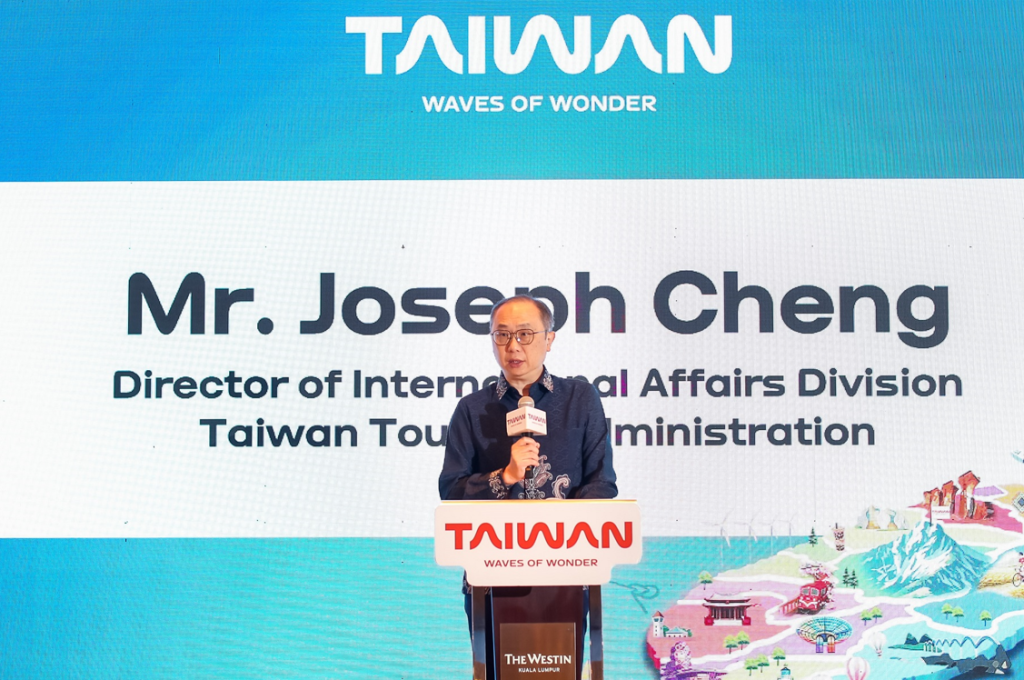
With Muslims comprising nearly 70% of Malaysia’s population, the Tourism Administration is executing a deliberate strategy to establish Taiwan as a preferred non-OIC (Organization of Islamic Cooperation) destination. The agency highlighted that Taiwan secured the 4th place ranking globally among non-OIC destinations in the 2025 Mastercard-CrescentRating Global Muslim Travel Index (GMTI). This international benchmark underscores Taiwan’s extensive investments in Halal-certified dining, dedicated prayer facilities across transit networks, and faith-aligned hotel accommodations.
To drive consumer awareness for this infrastructure, the administration is moving toward hyper-localized media campaigns. Abe Chou, Director of the Taiwan Tourism Administration’s Kuala Lumpur Office, confirmed that the market will be continuously engaged via prominent influencer (KOL) partnerships. Additionally, Taiwan will utilize soft-power channels, specifically romantic comedy films and family-oriented variety programs, to actively project a welcoming, inclusive environment for Islamic family travel.
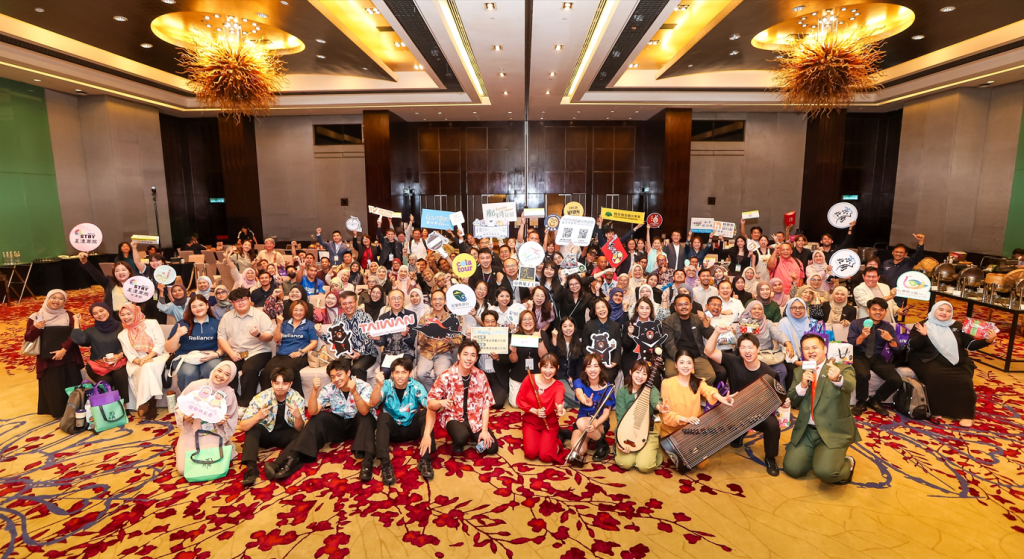
Simultaneously, the premium tourism push targets the established Malaysian Chinese traveler segment, where a high density of repeat visitors exists. Rather than promoting volume-driven, budget packages, the new trade strategy centers on strict product differentiation. Travel agencies are being supplied with high-quality, curated, and in-depth themed itineraries designed to showcase Taiwan’s luxury, culinary, and regional geographical assets.
The strategic campaign has already demonstrated significant commercial pull during its dual-city rollout. A public consumer fair held in Penang drew more than 10,000 visitors, yielding an immediate surge in direct holiday bookings. On the trade side, the Kuala Lumpur B2B workshops successfully facilitated 5,000 structured business-matching sessions between Taiwanese delegates and over 100 local Malaysian travel operators.
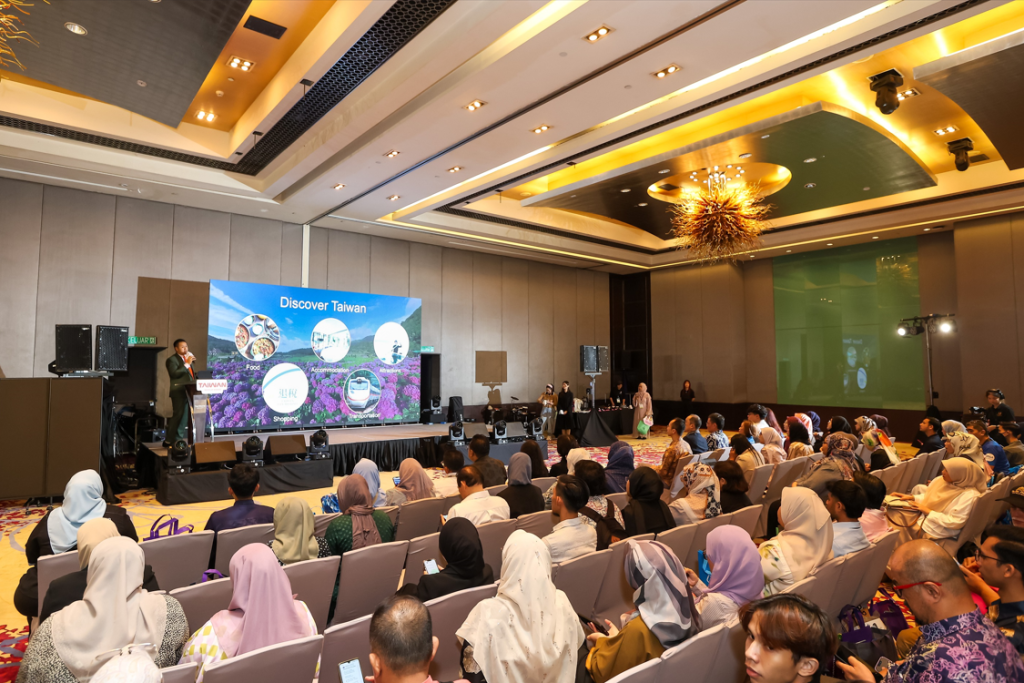
Supported by structural conveniences including short-haul flight connections, visa-free entry policies, and a reputation for public safety, Malaysia remains a critical source market for Taiwan’s regional tourism goals. The successful B2B engagements in Kuala Lumpur have established a firm logistical foundation for Malaysian travel agents to design, market, and dispatch a steady pipeline of premium and family tour groups to Taiwan over the coming months.