
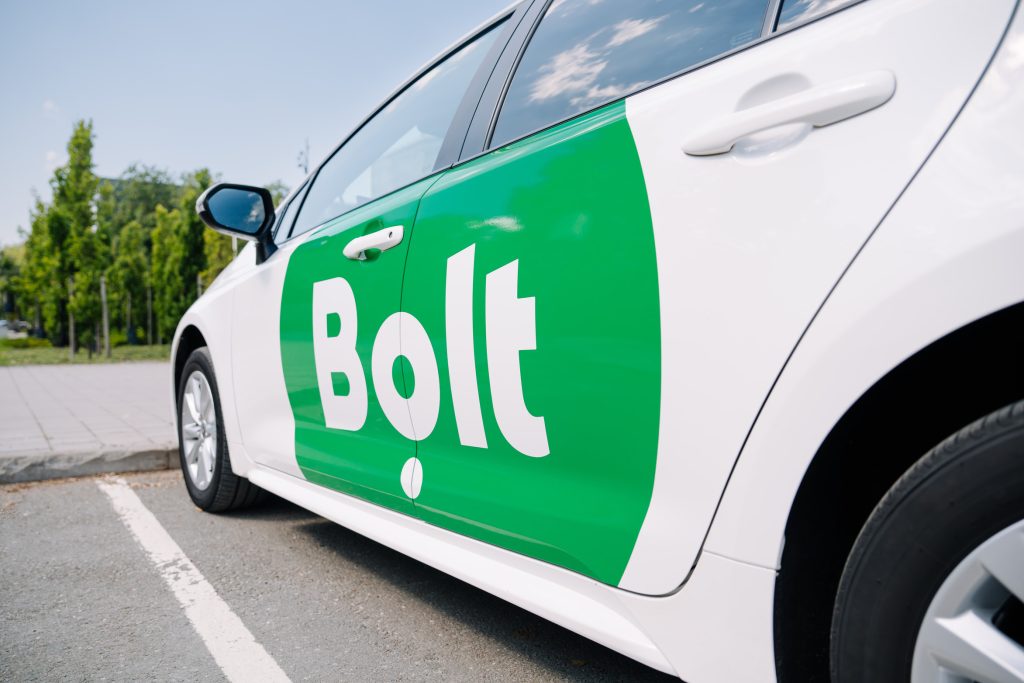
Malaysia’s rising fuel and living costs continue to place pressure on households nationwide, prompting ride-hailing platform Bolt to introduce new measures aimed at helping commuters manage their daily expenses more effectively. As transportation costs increase, many Malaysians are seeking affordable alternatives, and Bolt is responding with practical solutions designed to deliver immediate savings.
The platform is rolling out ride discounts of up to 25 percent, offering users more accessible pricing for their everyday journeys. In addition to these discounts, Bolt is also expanding the promotion of its multi-stop ride feature, which allows passengers to share trips and reduce overall costs. This feature enables users to save up to 35 percent per journey, depending on factors such as distance, time of travel, and number of stops.
Bolt’s operating model, which has focused on efficiency since the company’s founding in 2013, plays a key role in enabling these savings. By maintaining a streamlined cost structure, the company is able to pass on benefits to both passengers and driver partners. This approach ensures that Bolt remains competitive even as external factors such as fuel prices continue to rise.
According to Afzan Lutfi, General Manager of Bolt Malaysia, the company is aware of the challenges faced by commuters in the current economic climate. He highlighted that rising fuel costs are significantly affecting how Malaysians travel, and emphasised Bolt’s commitment to providing everyday value. Through initiatives such as ride discounts and shared travel options, the platform aims to help users better manage transportation expenses while offering a reliable alternative to private car ownership.
The multi-stop feature allows passengers to add up to three drop-off points within a single trip, making it easier for individuals travelling in similar directions to share costs. Data from the platform indicates that trips with two stops are currently the most common, reflecting a growing acceptance of shared travel among users in Malaysia. This shift suggests that more commuters are open to flexible and cost-efficient travel options.
To further enhance the commuting experience, Bolt has increased driver availability during peak hours. This move is intended to reduce waiting times and minimise surge pricing, providing a smoother and more predictable service for users. By improving supply during high-demand periods, the platform aims to maintain affordability while ensuring reliability.
In addition, Bolt’s ride scheduling feature offers greater convenience for passengers who prefer to plan ahead. Users can arrange trips in advance, allowing them to better control both timing and cost. This added flexibility is particularly useful for daily commuters who rely on consistent transportation for work and other commitments.
Overall, Bolt’s latest initiatives reflect a broader effort to support Malaysians in navigating rising living expenses. By combining cost-saving features with improved service reliability, the platform is positioning itself as a practical solution for modern urban mobility. As economic pressures persist, such innovations may play an increasingly important role in shaping how people move around the country.